

Hearing Loss

Hyperacusis means increased sensitivity to sounds which therefore appear to be abnormally loud. The normal ear has a dampening mechanism to protect the cochlear hearing hair cells from damage due to excessive sound energy and to enhance their function. This mechanism is controlled by nerve fibers (cochlear efferents) which travel from the brain to the ear with one of the balance (vestibular) nerves. Increased sound sensitivity is a very frequent early symptom of inner ear disease.

Pure Tone Audiometry
Why?
This is a basic subjective hearing test to determine your ability to hear various sounds at different tone frequencies.
How?
You will be required to sit in a soundproof booth with headphones and press a button every time you hear a bleep sound, even if it is very faint. You should ignore any rushing sounds used to mask the opposite ear and only react to the bleeps. This test may take up to 20 minutes depending on the results.
Tympanometry
Why?
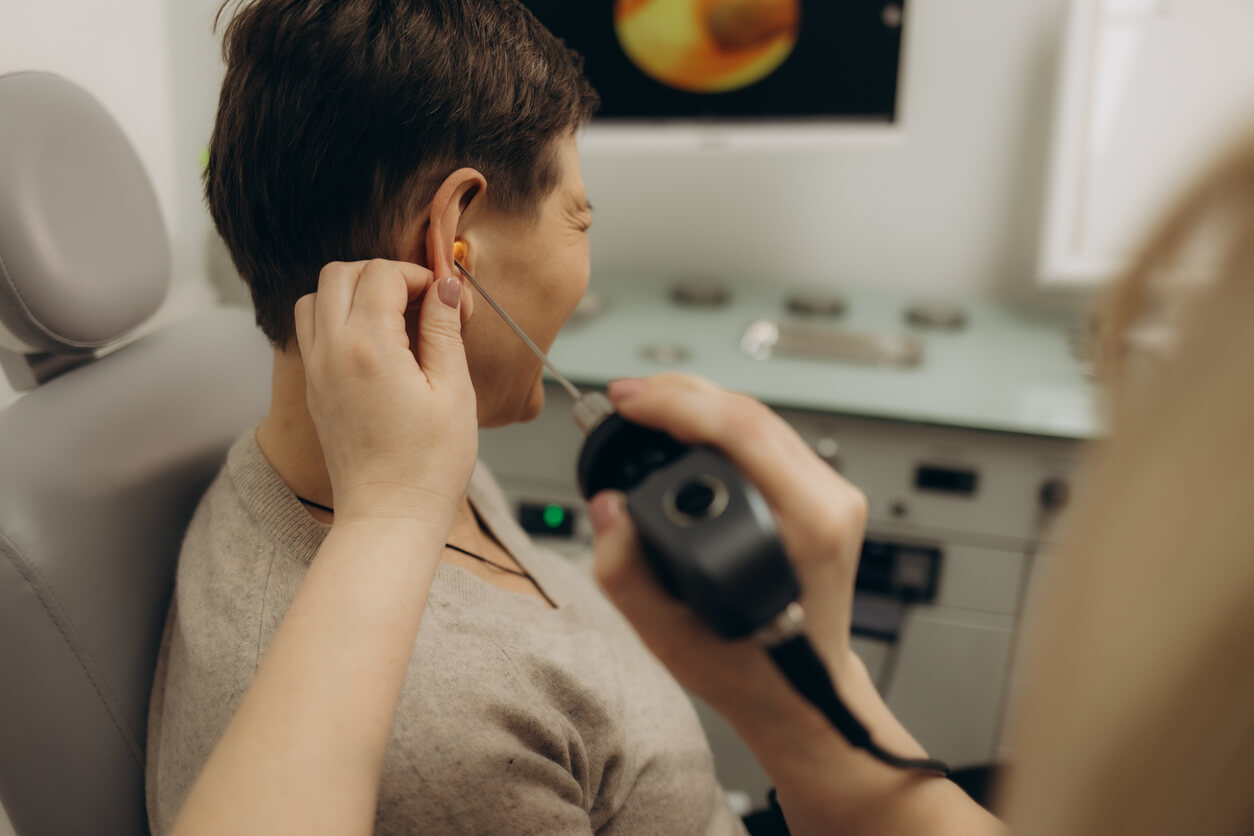
This is an objective test of your middle ear function and is useful for determining whether:
- there is any fluid or congestion in your middle ear
- there is a perforation (hole) in your ear drum
- the ear drum is flaccid and weak
- there is loss of continuity of the ossicles (middle ear bones) by disease or trauma
- a grommet is blocked
- changing pressure in the ear canal causes dizziness indicating a fistula (defect) in the bone surrounding the labyrinth (balance organ)
How?
You are not required to do anything for this test other than sit very still. The audiologist will hold a soft rubber probe at the entrance of your ear canal and you may feel a slight change of pressure in your ear.
Stapedial Reflexes
Why?
This objective test is to make sure that the stapedius muscle in your middle ear is functioning correctly and providing a protective mechanism by stabilising the hearing bones of the middle ear by contracting to loud sounds.
How?
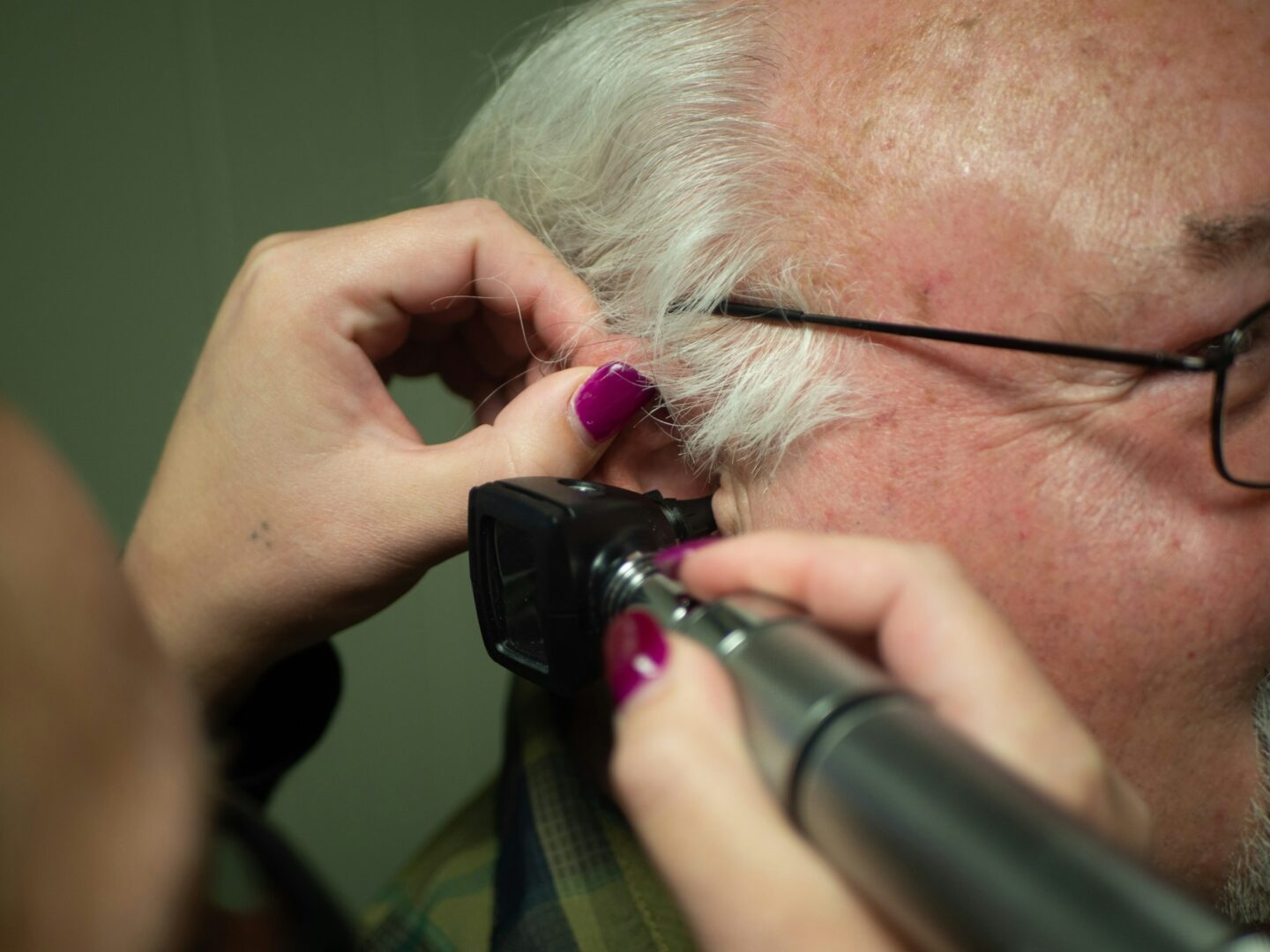
You are not required to do anything for this test other than sit very still. The audiologist will hold a soft rubber probe at the entrance of your ear canal. You will hear a series of very loud bleeps but you are not required to respond to them.

Otoacoustic Emissions (OAEs)
Why?
This is an objective test to measure the outer hair cell function of the cochlea (the auditory part of the inner ear). Stimulation of the normal cochlea results in the transmission of an electrical impulse along the auditory nerve through the brain to the auditory cortex where it is perceived as sound. At the same time some sound (cochlear echo) is reflected from the cochlea to the external canal and can be measured by a sophisticated recorder.
How?
You are not required to do anything for this test other than sit very still. The audiologist will hold a soft rubber probe at the entrance of your ear canal and you will hear some clicking sounds but you are not required to respond to them.
MRI scan
Why?
Magnetic resonance imaging (MRI) is a medical imaging technique used in radiology to study internal soft tissue structures in detail. It provides good contrast between the different types of tissue, which is a major advantage over CT. MRI does not use ionising radiation unlike CT or traditional X-rays. Instead it uses a powerful magnetic field to align tissue atoms, and then uses radio frequency fields to change and record their alignment. This scanned information is then used to construct images of specific parts of the body. The commonest indication for an MRI scan is an inner ear hearing loss in one ear or a worse hearing ear to exclude the possibility of an underlying acoustic neuroma.
How?
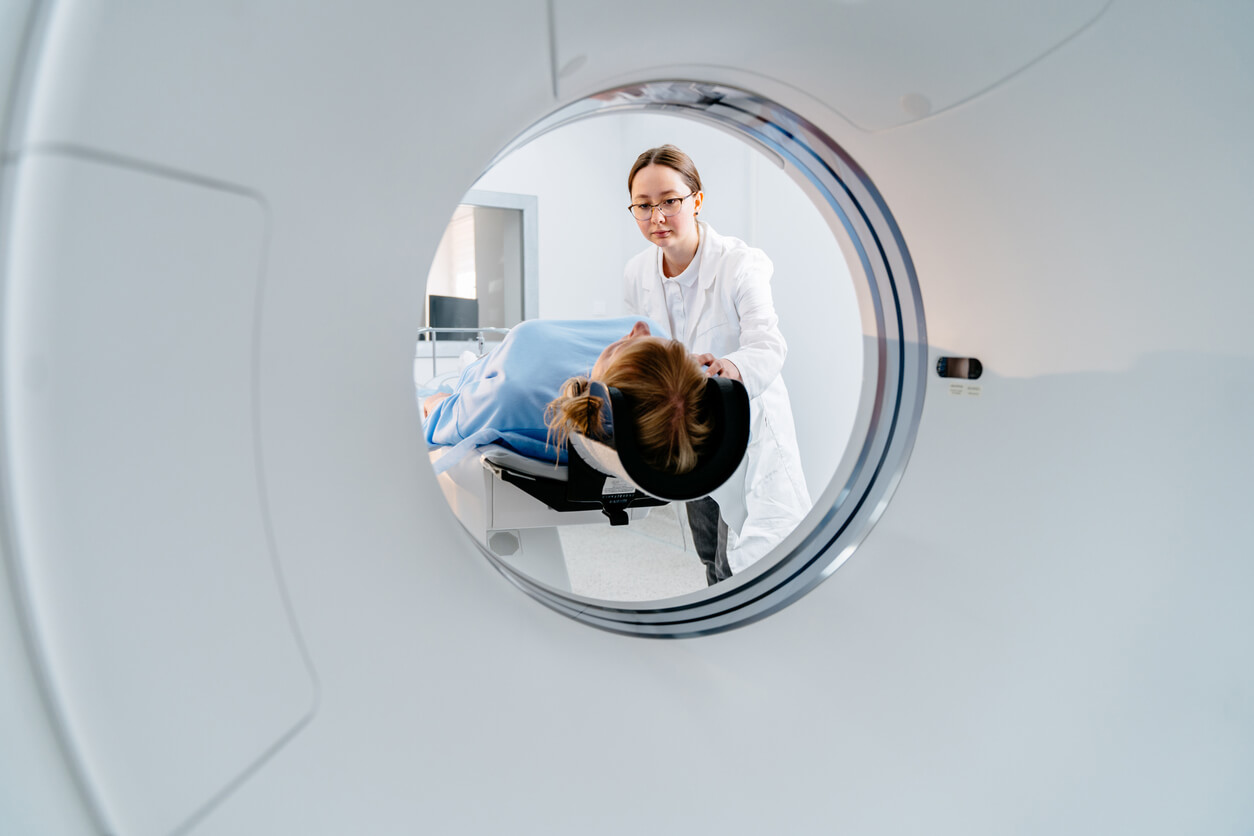
The patient lies still on a couch with their head in a metal tube. Some patients find this enclosed experience unpleasant, which has resulted in the development of so-called “open scanners”.
The private health insurances we work with
Harley Street ENT is recognised by a wide range of leading UK and international private health insurers, ensuring easy access to our care for patients with approved cover.







Need help and advice? Speak to an advisor
To discuss your needs in confidence or arrange a consultation, please contact our advisory team, who will be happy to assist you.